
Quality & safety
Shilajit benefits: separating traditional use from evidence
A careful guide to shilajit benefit claims, the limits of human research, and why ingredient studies do not prove a honey stick’s effects.
The short answer
Research into shilajit is not the same as proof of every advertised benefit. The preparation, study population and finished product all matter.
Start by asking what the claim means
Energy, vitality, stamina and wellness are common words in shilajit marketing. They can mean different things to different people. Before treating one as a benefit, ask what was actually measured and whether the claim refers to a specific product.
Traditional use helps explain why an ingredient is familiar. It does not, on its own, establish a reliable effect in modern consumers or a treatment for a health condition.
Different kinds of evidence carry different weight
Laboratory and animal studies can suggest questions for further research. They do not establish the same outcome in humans. Small human studies may be informative, but their size, design, duration and choice of preparation limit how broadly results can be applied.
Look for independent evaluation, not just a selected positive finding. A change in a laboratory marker is also not automatically a meaningful improvement in how a person feels or functions.
Why product matching matters
A trial using a specified purified shilajit preparation does not prove the effects of every resin or blend. A honey stick includes other ingredients and may deliver a different amount. Without a matching study, a brand should not claim that its finished product is clinically proven.
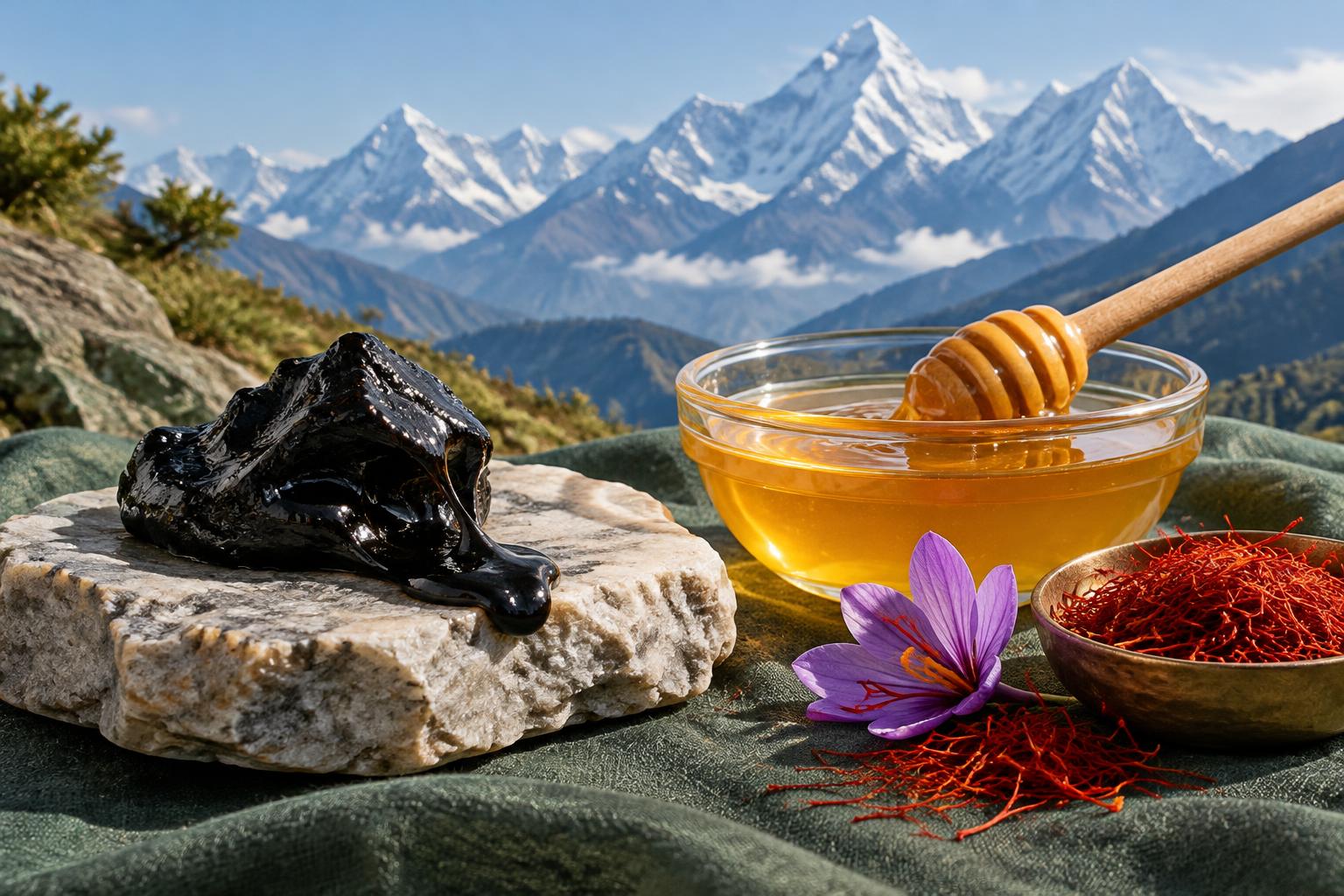
Combining honey, shilajit and saffron does not make their proposed benefits additive. A list of ingredient studies is not a clinical trial of the combination.
Be cautious with sweeping promises
Claims to cure disease, fix hormone problems or produce rapid guaranteed changes deserve particular scrutiny. “Natural” and “ancient” do not resolve those evidence questions. Neither does a testimonial, however positive the individual experience sounds.
- Ask whether the study involved humans.
- Check the exact preparation and dose studied.
- Look for limitations and unwanted effects.
- Do not use supplement claims to delay diagnosis or treatment.
A reasonable way to make a decision
Choose based on transparent ingredients, relevant quality information and your own suitability. If you have ongoing fatigue or other symptoms, get them assessed instead of assuming a supplement is the answer.
Shivvra’s honey-stick format offers a straightforward way to take its blend. Convenience is a product attribute; it is not a promise of a medical outcome. Keep those two ideas separate when weighing your options.
Sources & further reading
Educational information, not medical advice. These articles are not clinically reviewed. Ingredient research does not prove effects of the finished Shivvra product. Follow your pack’s directions and consult a qualified clinician about suitability. Editorial photographs are illustrative; some are AI-generated.
Meet the honeystick.
Shilajit, honey and saffron. Taken straight.